
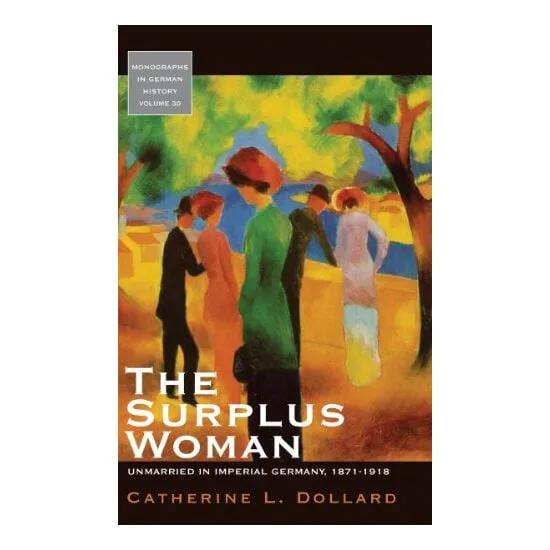
The surplus woman
Notificare gratuită dacă scade sub 14 lei
Descriere
The belief in a demographic surplus of unwed women, known as the
Frauenberschu, formed a principal pillar of the first German womens movement and served as a central leitmotif in the debates regarding modernity in Imperial Germany. Proponents of the female surplus held that the advances of industry and urbanization had upset traditional marriage patterns and left too many women without a husband.
This book establishes the existence of a discourse surrounding the question of what to do with these women by examining primary sources from as early as the 1850s and extending the enquiry through World War I. By combining the approaches of cultural, social, and gender history, this book provides the first sustained analysis of the ways in which imperial Germans conceptualized anxiety about marital status of women as both a product and a reflection of changing times.
Cât costă
Prețul afișat este 13,99 lei.
Prețul final, costul livrării și termenul de livrare se văd la finalizarea comenzii.
Răspunsuri scurte
- Ce preț are The surplus woman?
- 13,99 lei, la ultima actualizare a ofertei.
- Cum comand produsul?
- Apeși „Cumpără acum”. După ce intri în contul gobid.ro, ajungi pe pagina produsului din magazinul partener, unde plasezi comanda.
- Cine vinde produsul?
- Produsul este vândut și livrat de un magazin partener gobid.ro, nu de gobid.ro.
Produse similare
Toate din ofertele partenere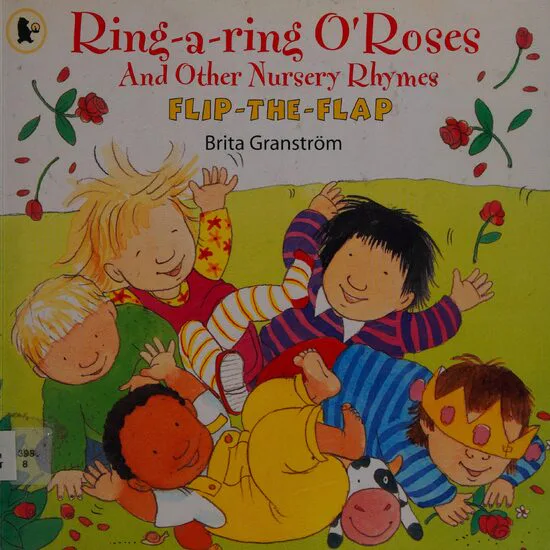
Ring-a-ring o'roses and other nursery rhymes
8,99 Lei

M. C. Howatson - Oxford. Concise Companion to Classical Literature
21 Lei

California. Insight guidas
15 Lei
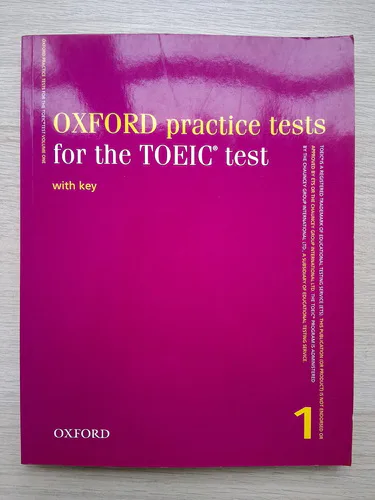
Oxford practice tests for the TOEIC test. With key
18,75 Lei
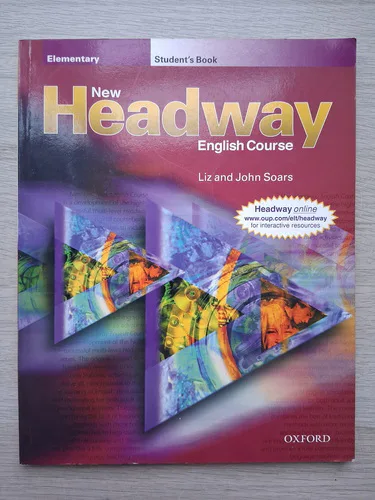
Liz Soars, John Soars - New headway. English course, elementary, student's book
18,75 Lei
F. G. Fowler - The Pocket Oxford Dictionary
7 Lei
The Oxford dictionary for the business world
11,2 Lei
Virginia Evans, Sally Scott - Listening & speaking skills for the revised Cambridge proficiency exam. Teacher's book 2
15 Lei